Vienna, 1881–1942

Stefan Zweig

Stefan Zweig (Vienna, 1881 - Petrópolis, Brazil, 1942) was an Austrian writer who, in the 1920s and 1930s, was among the most widely read and translated authors of his time. He wrote novellas, biographies and historical studies with a strong interest in psychology. Jewish by birth, he left Austria in 1934 as Nazism rose and lived in England before settling in Brazil, where he died.

Where to start with Stefan Zweig

Their books on Pecia, in the order we'd read them.

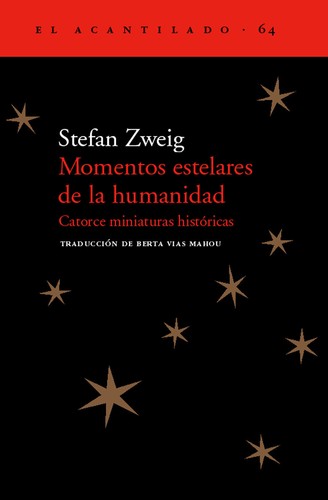
  1. Momentos estelares de la humanidadabout 4 hoursFourteen historical episodes told as short stories that can be read separately; an easy way in and one of his most successful books.
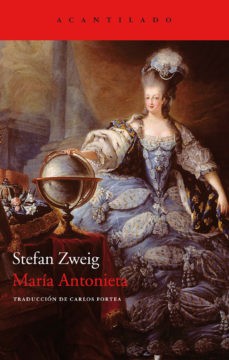
  2. María AntonietaA full-length biography, one of his best known, showing how he combines history with psychological portraiture.
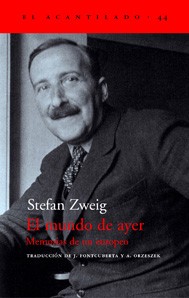
  3. El mundo de ayerabout 7 hoursHis memoir, written in exile and published after his death; it gives the context for all his work and for the Europe he lost.
Stefan Zweig's books, second-hand

3 books with used copies for sale. On average, 52% below the cover price. Prices from 6 October 2026.

Momentos estelares de la humanidadStefan Zweigfrom €6.47 −71%
María AntonietaStefan Zweigfrom €7.75 −77%
El mundo de ayerStefan Zweigfrom €15.92

What critics say

Critical opinion is sharply divided: some value his humanism, simplicity and effective style, while others, such as the translator Michael Hofmann, find his writing poor and superficial. The World of Yesterday has been described as the best-known book on the Habsburg Empire, though it has also met hostile dismissal, and its picture of him as a pacifist in the First World War clashes with his diaries and articles from the time, which supported the war.

Written with AI help from Wikipedia and Pecia's reading guides, and reviewed by a person. Biographical facts from Wikidata. Wikipedia (es) · Wikipedia (en)